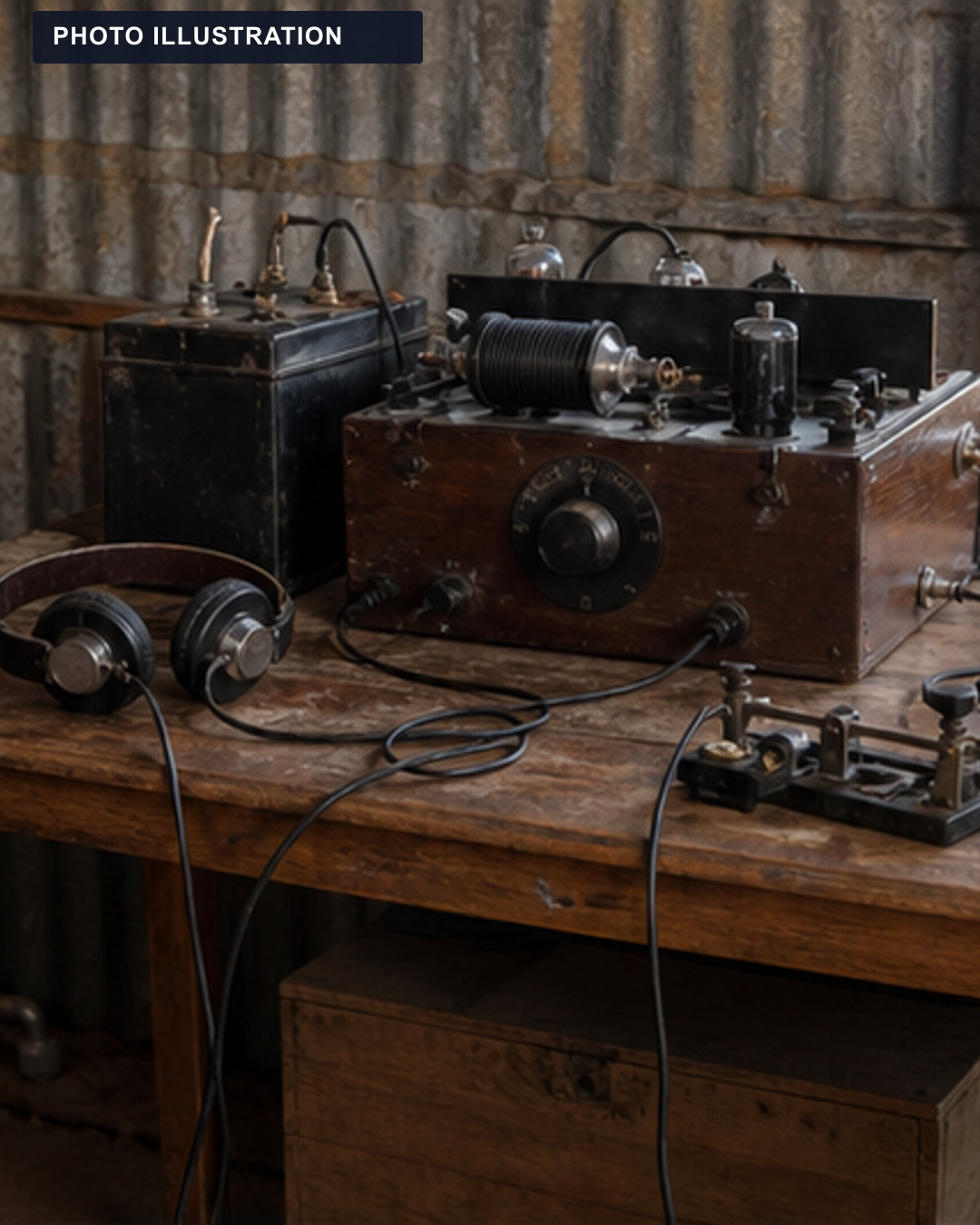
The plane made distance smaller. The radio made a request for help reach the base.
The aircraft was only one link
An aeroplane can carry a doctor, supplies or a patient across a long distance. It cannot by itself tell a base that help is needed, describe the problem or organise a response. National Archives dates the Australian Inland Mission's Aerial Medical Service to 1928 and says the Traeger pedal radio ensured its effectiveness from 1929. The point is not that the radio replaced aircraft. It made communication possible between isolated stations and a service built around bases, pilots, clinicians and local operators.
Why early power sources did not fit
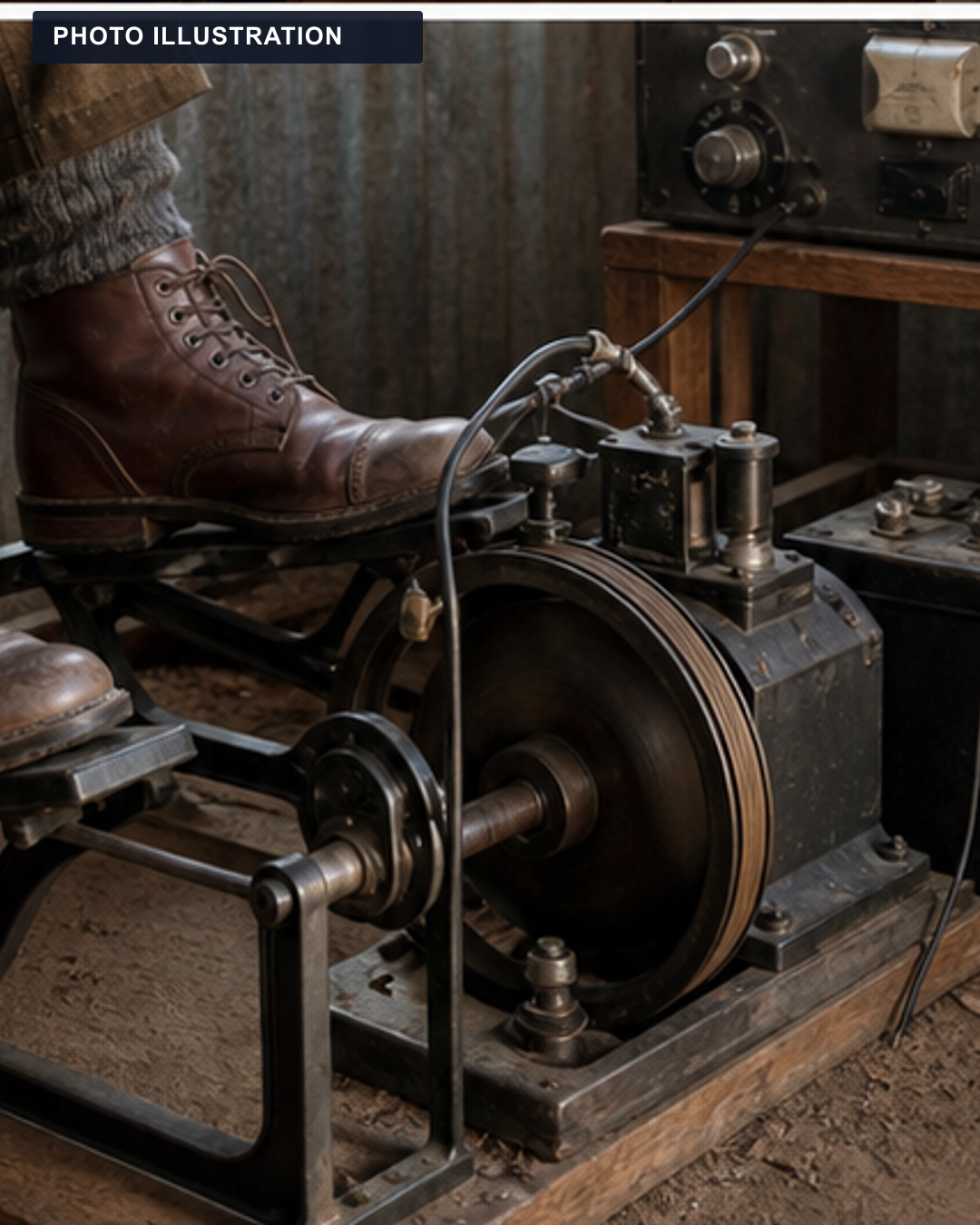
Powerhouse Museum's object record describes the practical obstacle. Early radio batteries were expensive, cumbersome and unreliable in tough inland conditions. A compact hand-cranked generator reduced the battery problem, but the system then needed one person to generate power and another to send Morse code. That arrangement made communication harder for a station that might not have two trained operators available at the moment a message mattered.
What the pedals changed
Alfred Traeger's pedal system connected a ground-bolted generator to a transceiver. The operator could use their feet to generate power while keeping both hands free for the radio. Powerhouse describes output of about 20 watts at about 300 to 400 volts. Those are historical equipment details, not a modern electrical instruction. The systems solution was the division of labour between feet, hands and a single operator, rather than pedal power as a novelty on its own.
A network, not a hero object
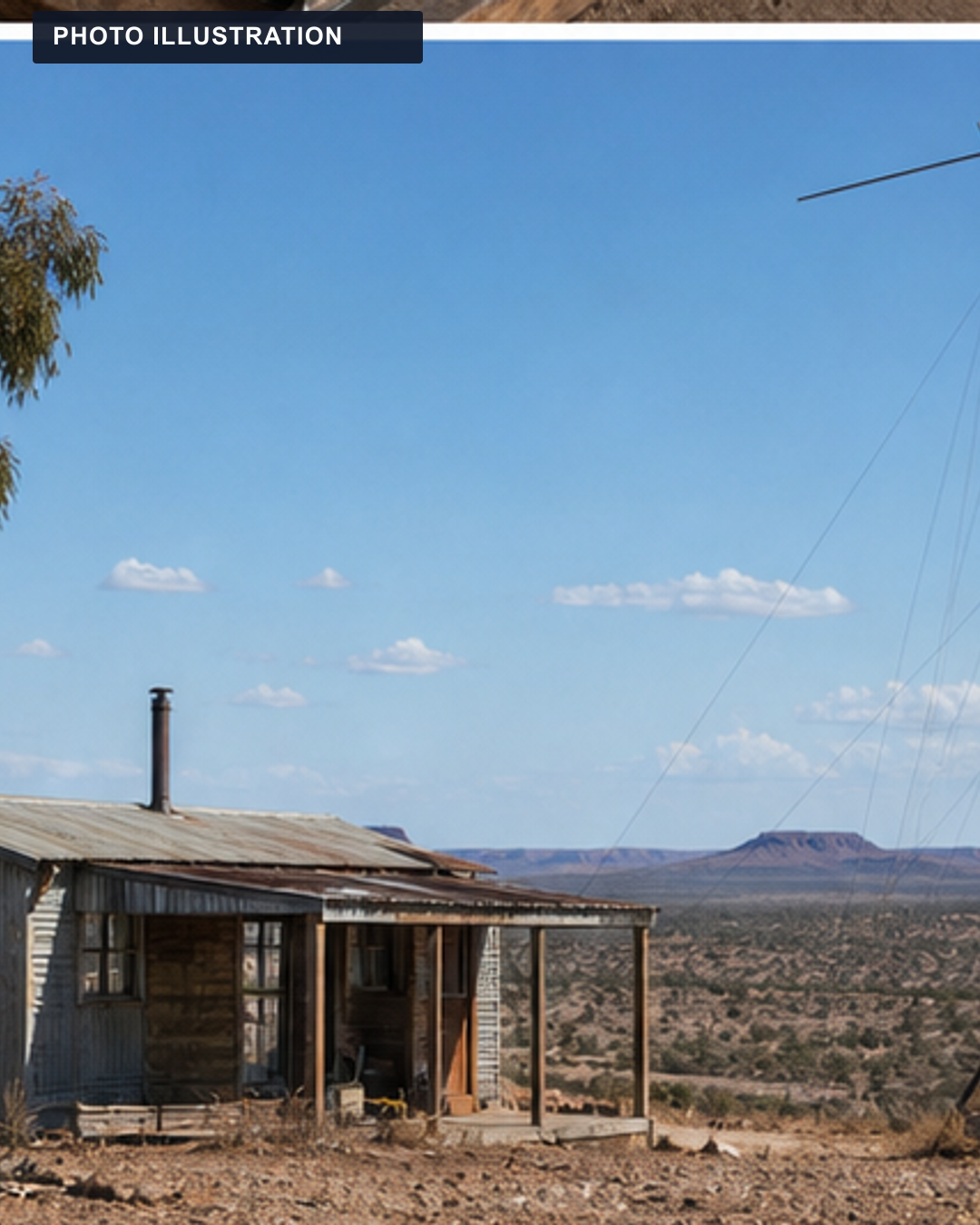
Powerhouse records a 19 June 1929 signal from Augustus Downs station in Queensland to the Cloncurry base, about 320 kilometres away. It later describes installations that could communicate much farther in favourable circumstances. The dated 320-kilometre event is evidence of one early link, not a guaranteed service radius. The broader network still depended on equipment, maintenance, radio operators, bases, medical staff, pilots, funding and the people who made and received calls.
The pedal radio did not replace the Flying Doctor plane. It supplied the missing request-and-response link.
This is why the pedal radio belongs beside the aircraft in the service's history. It reduced the power and operating constraints that made two-way communication difficult at remote stations. It also later served other remote communication roles. The article does not make a claim about current medical access, emergency response or coverage. Its narrower historical point is that aviation becomes a service only when a person at the other end can reliably connect to it.
- National Archives of Australia: Reverend John Flynn and the Australian Inland Mission, Current fact sheet. Aerial Medical Service in 1928 and the Traeger pedal radio's role from 1929.
- Powerhouse Museum: Traeger Pedal generator used by the Flying Doctor Service, Object B2125; current catalogue. Battery, hand-crank, pedal-power and first 1929 transmission details; image rights excluded from this package.
National Archives and Powerhouse Museum source pages returned HTTP 200 on 10 August 2026; source claims and limits rechecked before release. Found a problem? See our correction process.