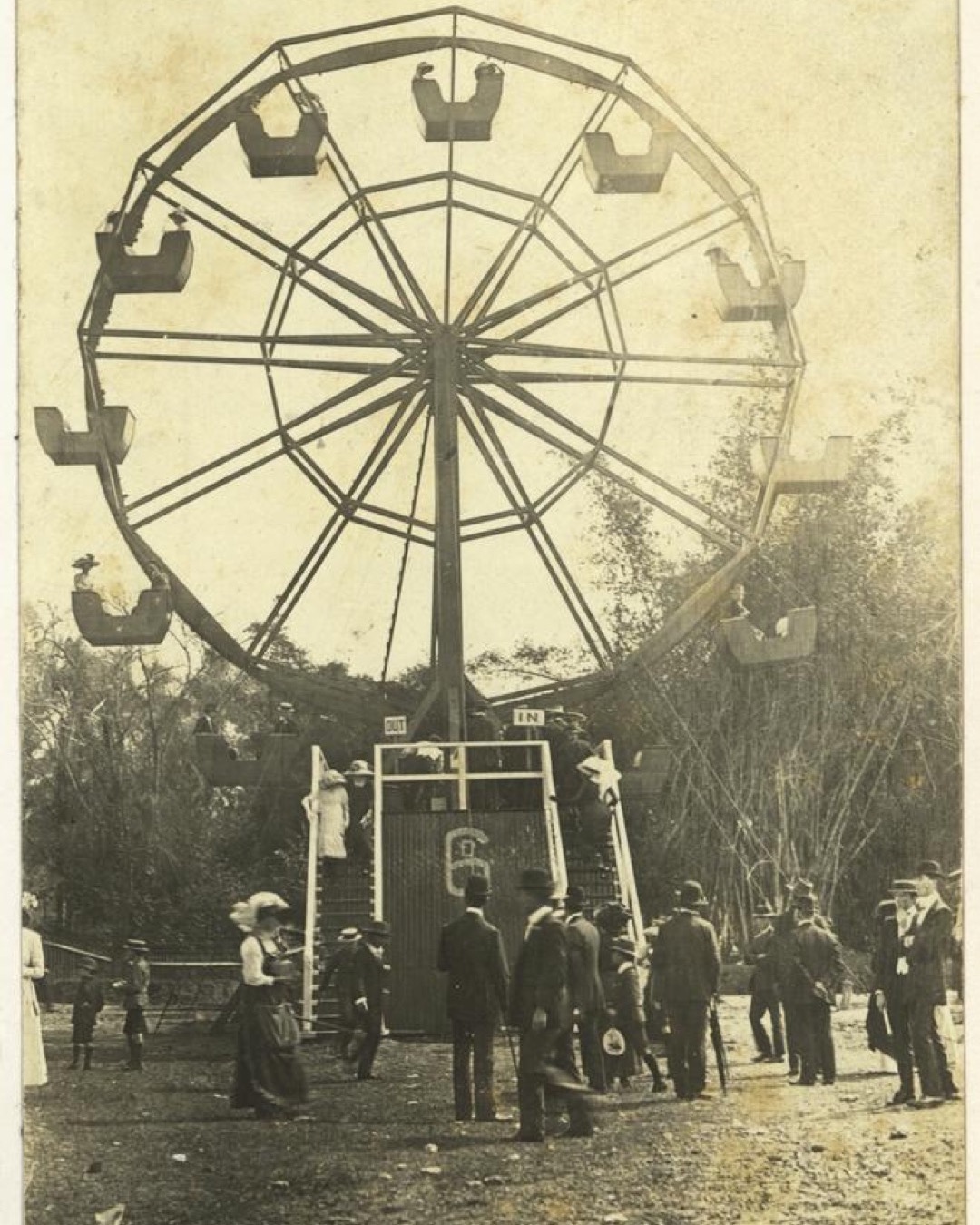
The first Brisbane show opened in 1876, but its shortest and most durable exhibit may be its name. Ekka records the way Queenslanders turned a formal Exhibition into a local institution.
Start with Exhibition
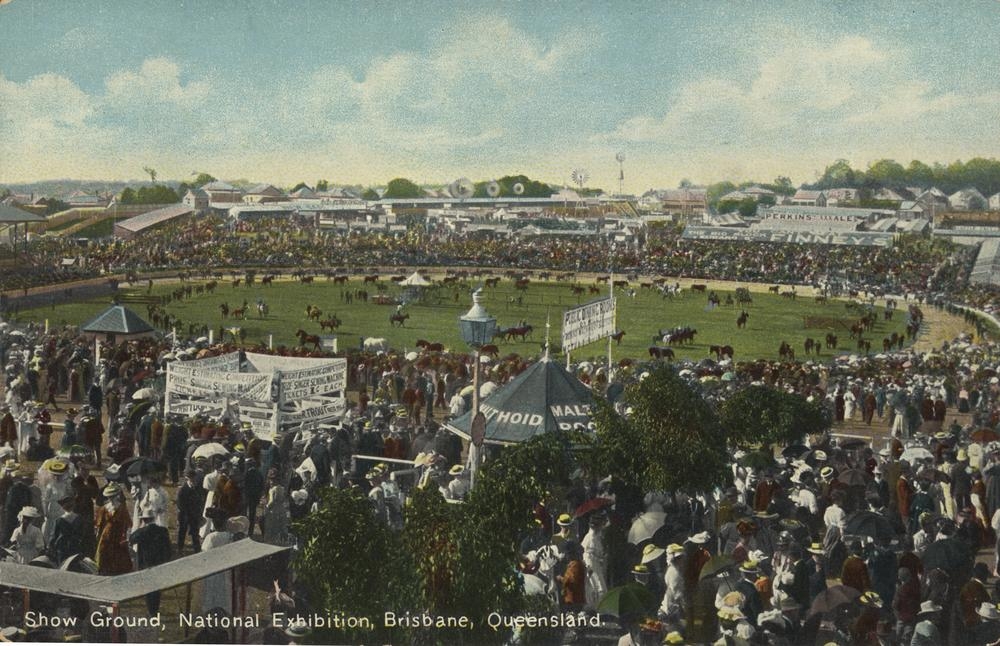
The organisation now associated with the Royal Queensland Show formed in 1875. Its first show was the Intercolonial Exhibition at Bowen Park in 1876. State Library of Queensland records show that the event soon became an institution, while the formal names around it changed. People could call it the Exhibition or simply the Show long before Ekka became the compact name recognised across Queensland.
The royal name was still a mouthful
King George V granted the association a royal prefix in 1921. The event could then be described as the Royal Queensland Exhibition. That was precise but not conversational. Current official and Queensland government histories both describe Ekka as the shortened name that replaced Exhibition in the local vernacular. The useful fact is therefore not a single christening date. It is a gradual transfer from institutional title to community name.
Why the spelling looks unusual
Ekka does not preserve the visible first letters of Exhibition in the way a neat abbreviation might. It preserves the sound people used when compressing the name in speech, then gives that sound an ordinary spelling. That is why trying to expand E, K, K and A into four official words sends the explanation in the wrong direction. The name is a spoken shortening that became a written proper noun.
A nickname became the public identity
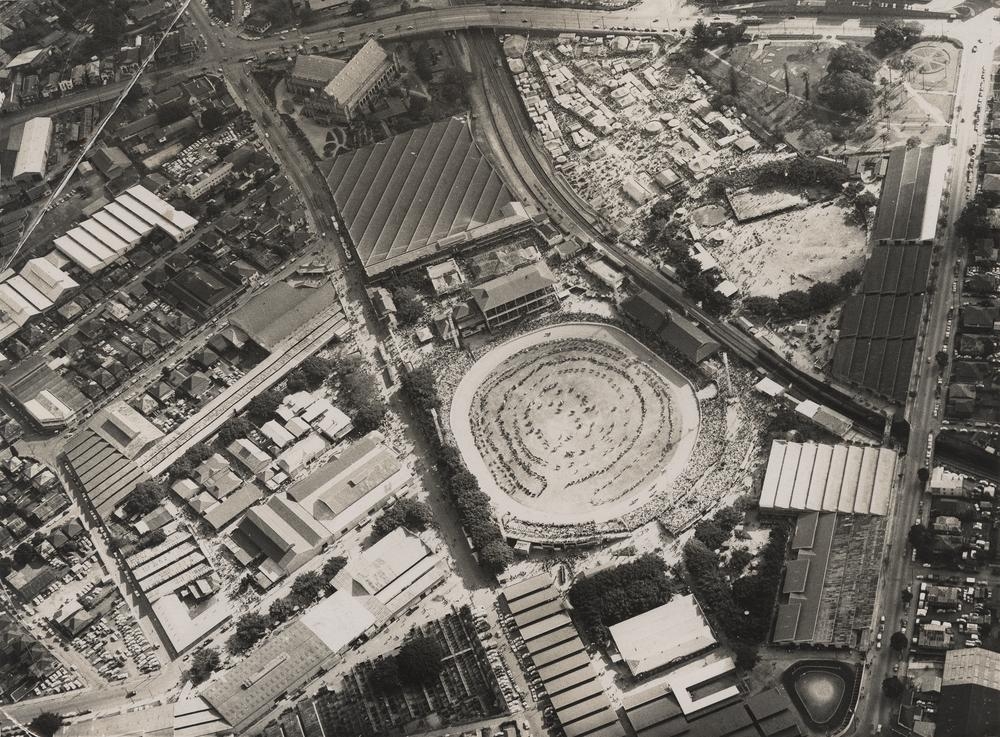
Once a nickname is used by organisers, transport systems, governments and families, it stops behaving like an unofficial aside. Ekka now identifies the Royal Queensland Show in headlines and ordinary conversation while the formal institutional name remains available when precision is needed. The two names do different jobs: one carries legal and organisational history, and the other carries recognition, memory and place.
Ekka is not a code. It is Exhibition after Queensland speech made the name its own.
That is the real payoff. The event did not receive one clever marketing rename that erased its past. A long sequence of formal titles sat beside a short local word until the short word became the strongest public label. The history of Ekka is therefore also a history of how repeated community use can turn a nickname into the name everyone expects to see.
- Royal Queensland Show: why the Queensland Show is called Ekka, Current official event history covering the 1876 exhibition, the royal prefix and the Ekka name.
- State Library of Queensland: 150 years of Ekka, Queensland collection context for the changing formal names and the nickname's place in local speech.
- Cross River Rail: Exhibition history, Queensland government history stating that Ekka replaced Exhibition in the Queensland vernacular.
Royal Queensland Show and Cross River Rail sources returned HTTP 200 on 12 August 2026. State Library of Queensland was then visibly verified in a normal browser after its direct request returned HTTP 403. Together they support the 1876 first exhibition, the 1921 royal prefix and the local spoken shortening from Exhibition; they do not establish an exact first use date for “Ekka”. Found a problem? See our correction process.