
Plate boundaries concentrate earthquakes; they do not own them. Australia's shallow intraplate earthquakes expose old weaknesses within a moving continent.
Inside a plate does not mean stress free
Most of the world's earthquakes cluster where tectonic plates meet, which makes the boundary model a useful first lesson. Australia is a stable continental region within the Australian plate. It is still part of a plate moving through a system of surrounding boundaries. Collision, subduction and spreading forces around that system transmit stress into the continental interior rather than stopping neatly at the coastline.
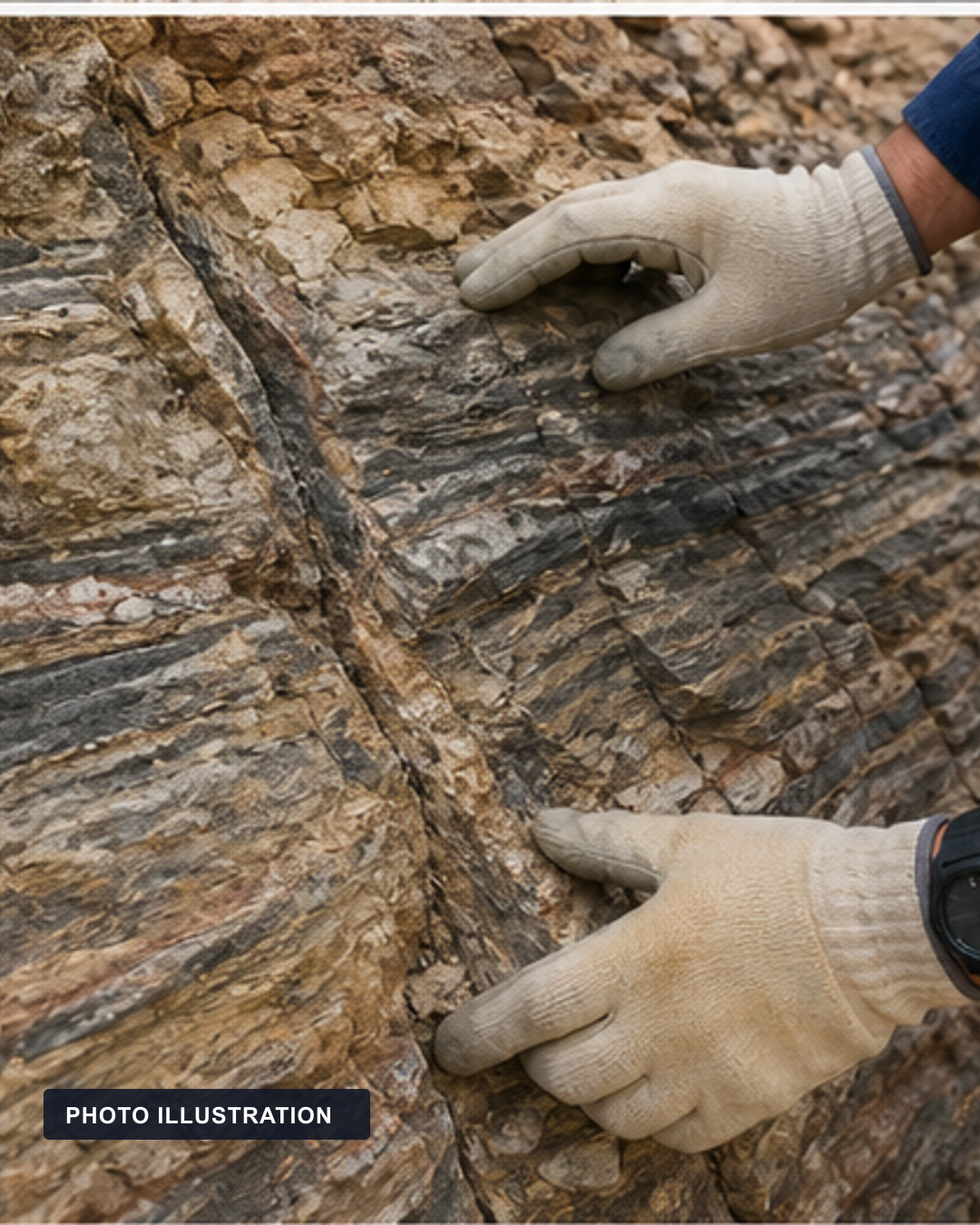
Old faults provide weak paths
Continental crust contains faults created by earlier geological episodes. Many are quiet for long periods. As regional compression builds, the stress on a suitably oriented fault can eventually exceed friction and rock strength. The fault slips, stored elastic energy travels outward as seismic waves, and instruments record an earthquake. The event is intraplate because the rupture occurs within the plate, not because plate forces are irrelevant.
Shallow depth changes what people feel
Australian earthquakes are often shallow compared with deep events in subduction zones. A shallow moderate earthquake can therefore produce strong shaking close to its source even though its magnitude is far below that of the largest boundary earthquakes. Magnitude describes the event's size; intensity describes observed shaking and effects at a place. Distance, depth, local ground and building vulnerability all matter to the second question.
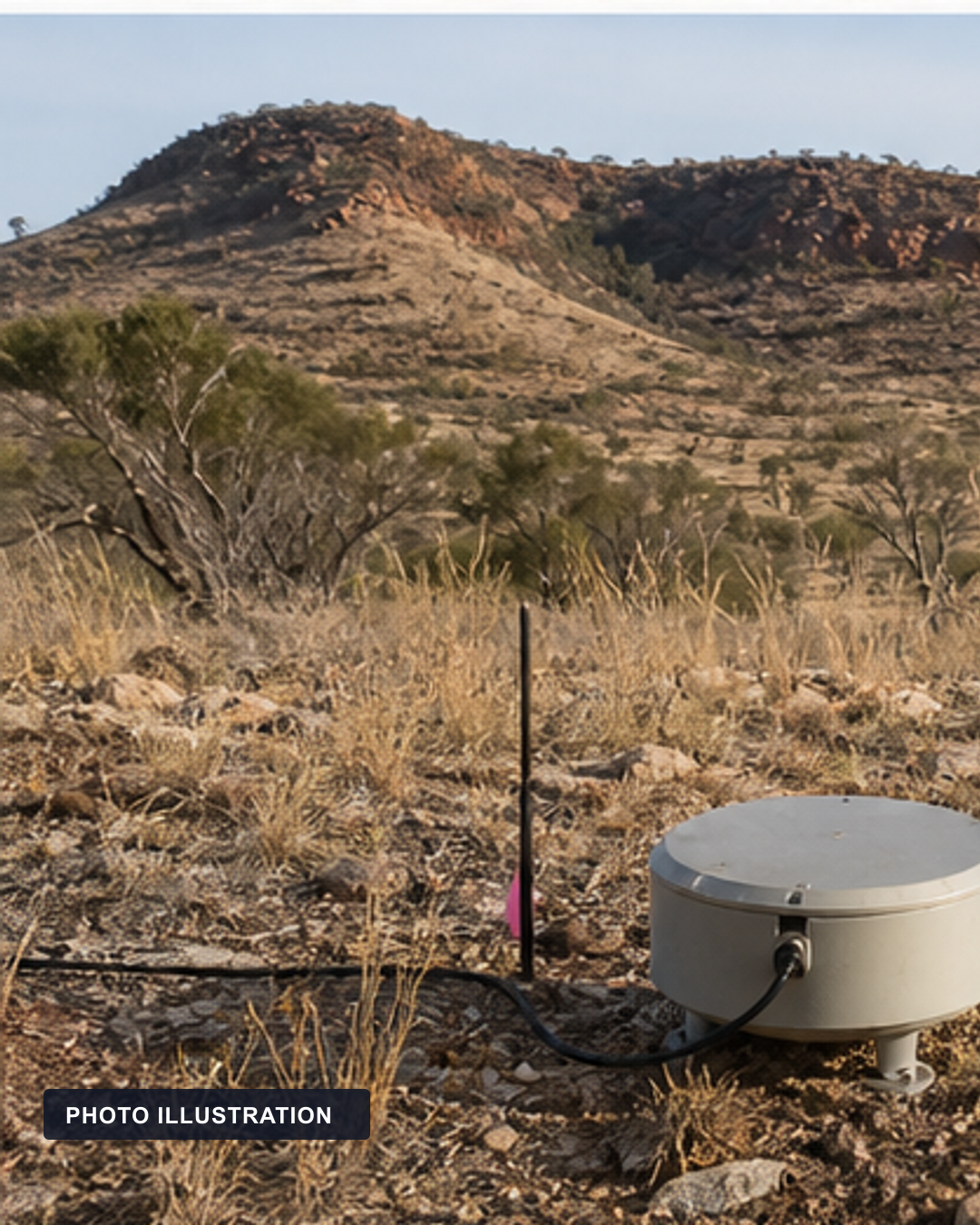
Hazard is broader than the latest epicentre
Geoscience Australia's National Seismic Hazard Assessment combines the earthquake record, source models and ground-motion science to estimate the chance of different levels of shaking. It informs building standards and risk work. It does not predict the time and place of the next earthquake. A recent search spike or felt event can direct attention, but it cannot by itself reveal a new national hazard pattern.
Australia is inside a plate, but the plate carries stress and the continent carries old faults.
The correction is small but important. Plate boundaries explain the global concentration of earthquakes; they do not make continental interiors motionless. Australia's earthquakes are the release of stress through existing crustal weaknesses. That mechanism is why a stable continent can still shake without suddenly becoming a plate boundary.
- Geoscience Australia: earthquakes, Official explanation of Australian intraplate earthquakes, plate motion, stress, faults and shallow events.
- Geoscience Australia: National Seismic Hazard Assessment, Official hazard-assessment scope and use, which is different from event prediction.
Geoscience Australia’s earthquake explainer and National Seismic Hazard Assessment page returned HTTP 200 when rechecked 10 August 2026. This is event-independent geology and does not forecast an earthquake or replace official safety guidance. Found a problem? See our correction process.