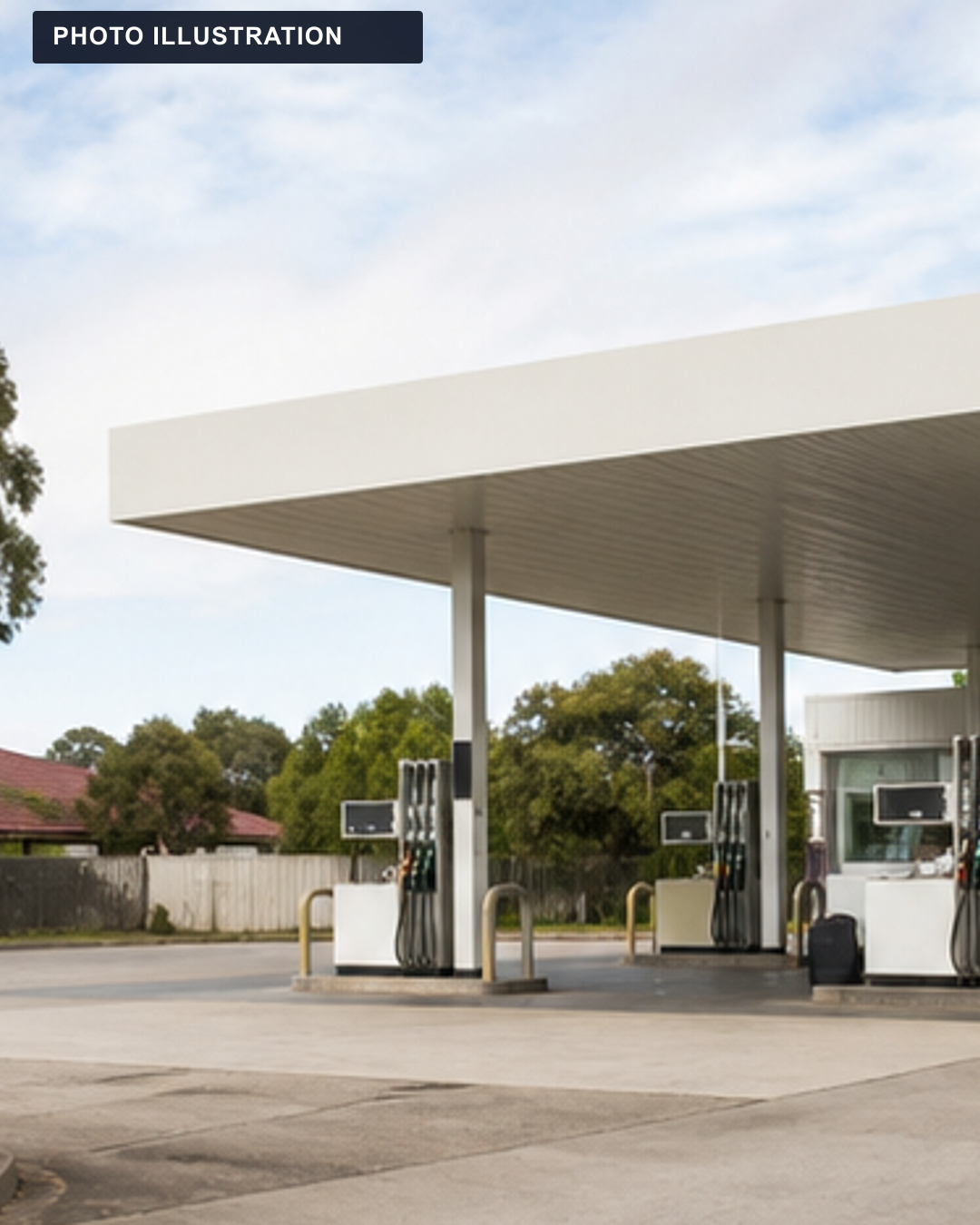
The temporary 2026 measure reduced excise on petrol and diesel by 32 cents per litre. That did not turn the retail price into a one-variable equation.
The 32 cents was a defined tax change
The 2026 Budget described a temporary reduction in petrol and diesel excise from 52.6 to 20.6 cents per litre for three months from 1 April. The ACCC's monitoring material described the overall reduction as 32 cents per litre after the Commonwealth and states addressed the related GST effect. That is the correct size of the policy change. It is not automatically the size of every movement visible on a retail sign.
The largest external driver kept moving
The ACCC says international benchmark prices have the greatest influence on Australian petrol and diesel prices. Those benchmarks respond to crude-oil costs and global supply and demand, while the Australian dollar changes the local-currency cost of imported fuel. Benchmark changes can take about two weeks to move through supply chains in major cities and longer in regional areas. A tax cut can therefore arrive while the wholesale component is moving in the opposite direction.
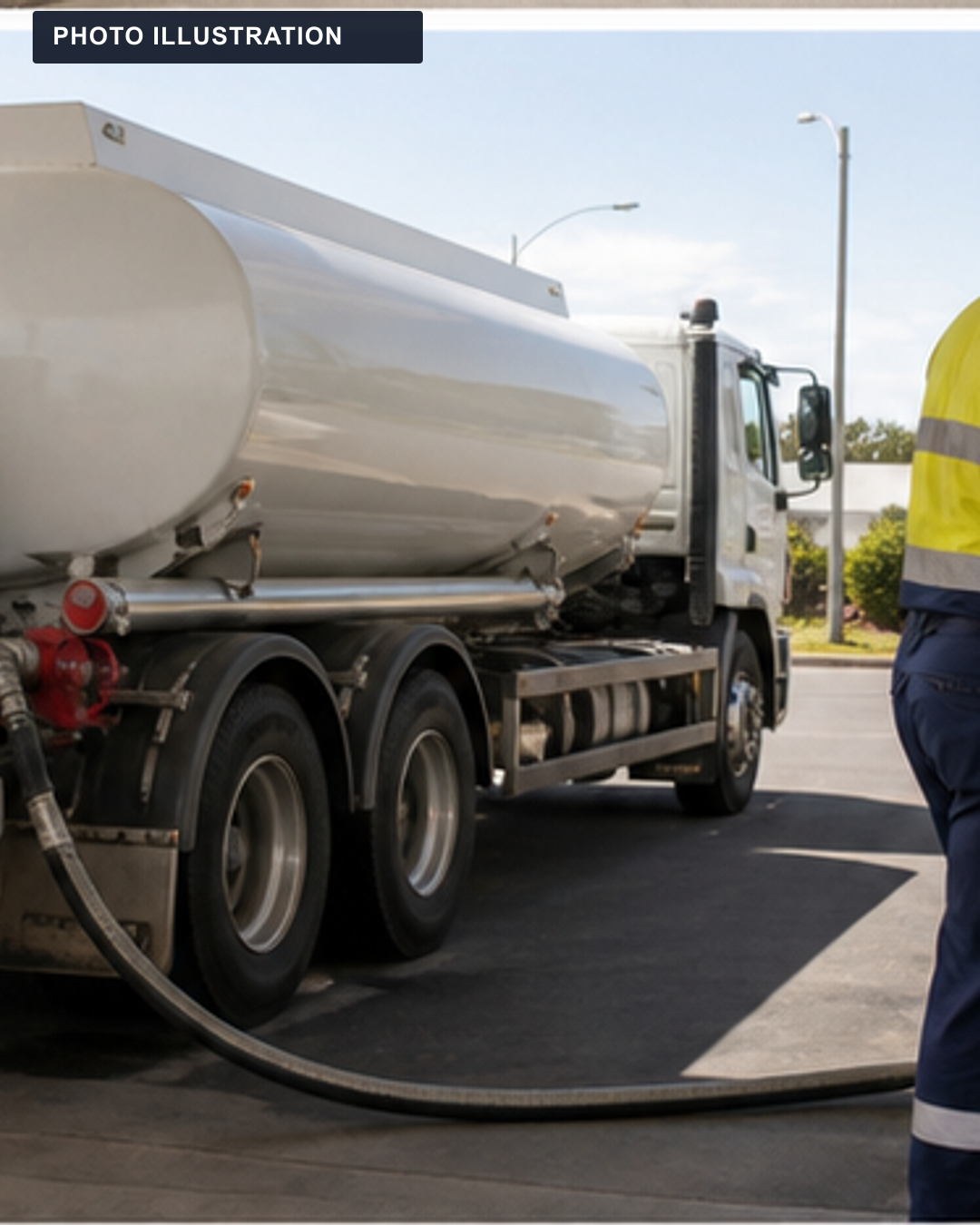
Retail signs also have local machinery
Freight, insurance, storage, wages, rent and utilities sit between a benchmark barrel and a retail litre. Wholesalers and retailers also need a margin, and competition affects that margin. In several capital cities, regular unleaded prices move through retail cycles created by pricing strategies rather than by immediate changes in wholesale cost. Two stations can therefore display different changes even when the national excise treatment is the same.
Pass-through is something to observe, not assume
The policy included ACCC monitoring because the relevant public question was whether the lower tax component reached consumers through the supply chain. Weekly reports compared wholesale and retail movements across capital cities and regional locations. That monitoring cannot make every station identical. It can test whether broad movements are consistent with the reduction once benchmark changes, lags and local conditions are considered.
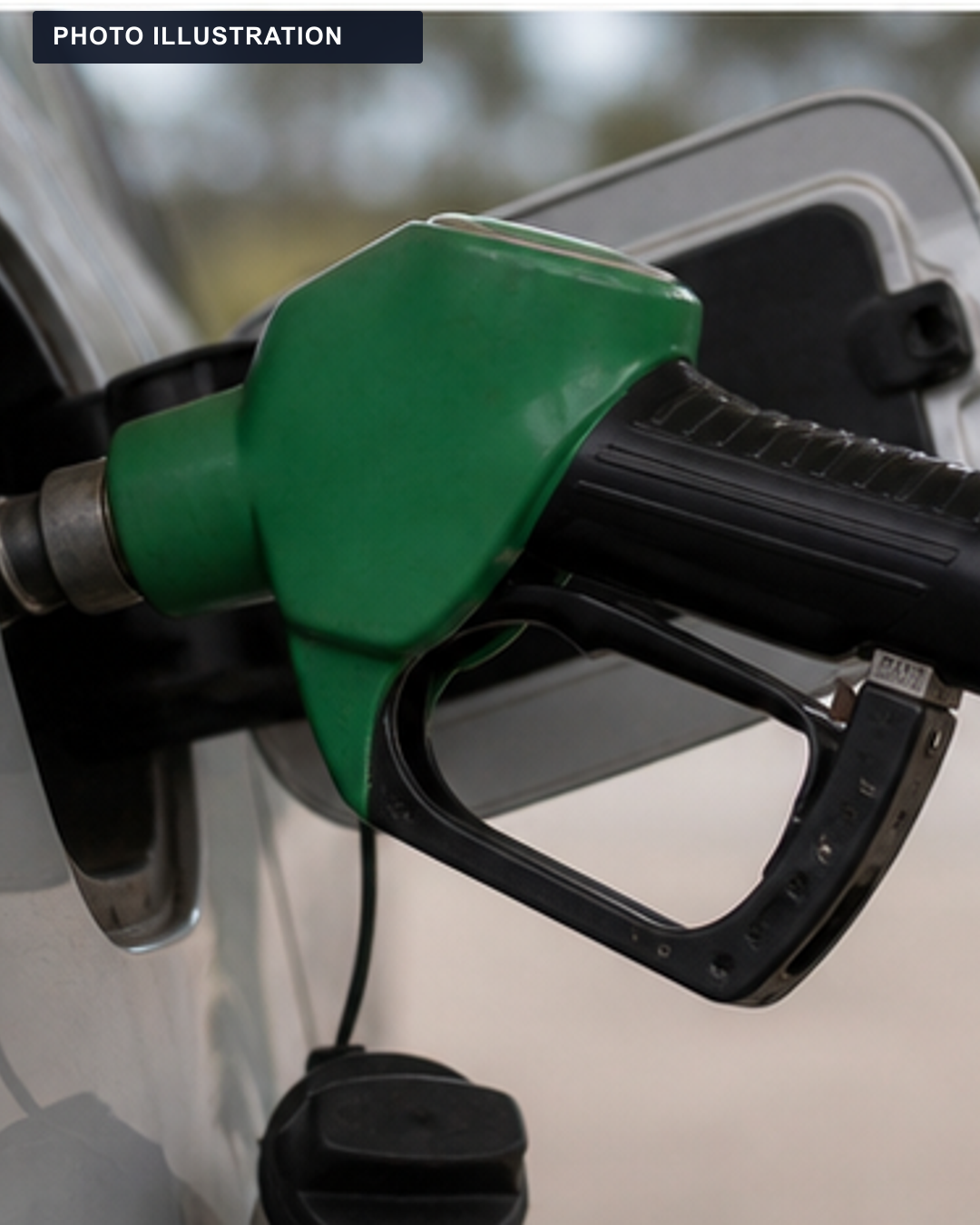
A 32-cent tax cut removes 32 cents from one component. It does not hold every other component still.
The practical reading rule is simple. Do not subtract the policy number from an old roadside sign and call the result a guaranteed new price. Compare dated observations, fuel type and location, then look at the wholesale trend and local cycle. The tax measure mattered, but it entered a price machine that was already moving.
- Australian Budget 2026: cost of living, Official amount, rate change, duration and monitoring commitment for the temporary fuel-excise measure.
- ACCC: what affects fuel prices, Official explanation of benchmark prices, exchange rates, lags, taxes, costs, margins and petrol cycles.
- ACCC weekly fuel-price monitoring, 24 April 2026, Contemporaneous monitoring report defining the 32-cent reduction and the pass-through question.
Budget and ACCC sources, including the 24 April ACCC monitoring report, returned HTTP 200 on 10 August 2026; the ACCC consumer explanation was updated 7 August 2026 and claims/limits were rechecked. Found a problem? See our correction process.