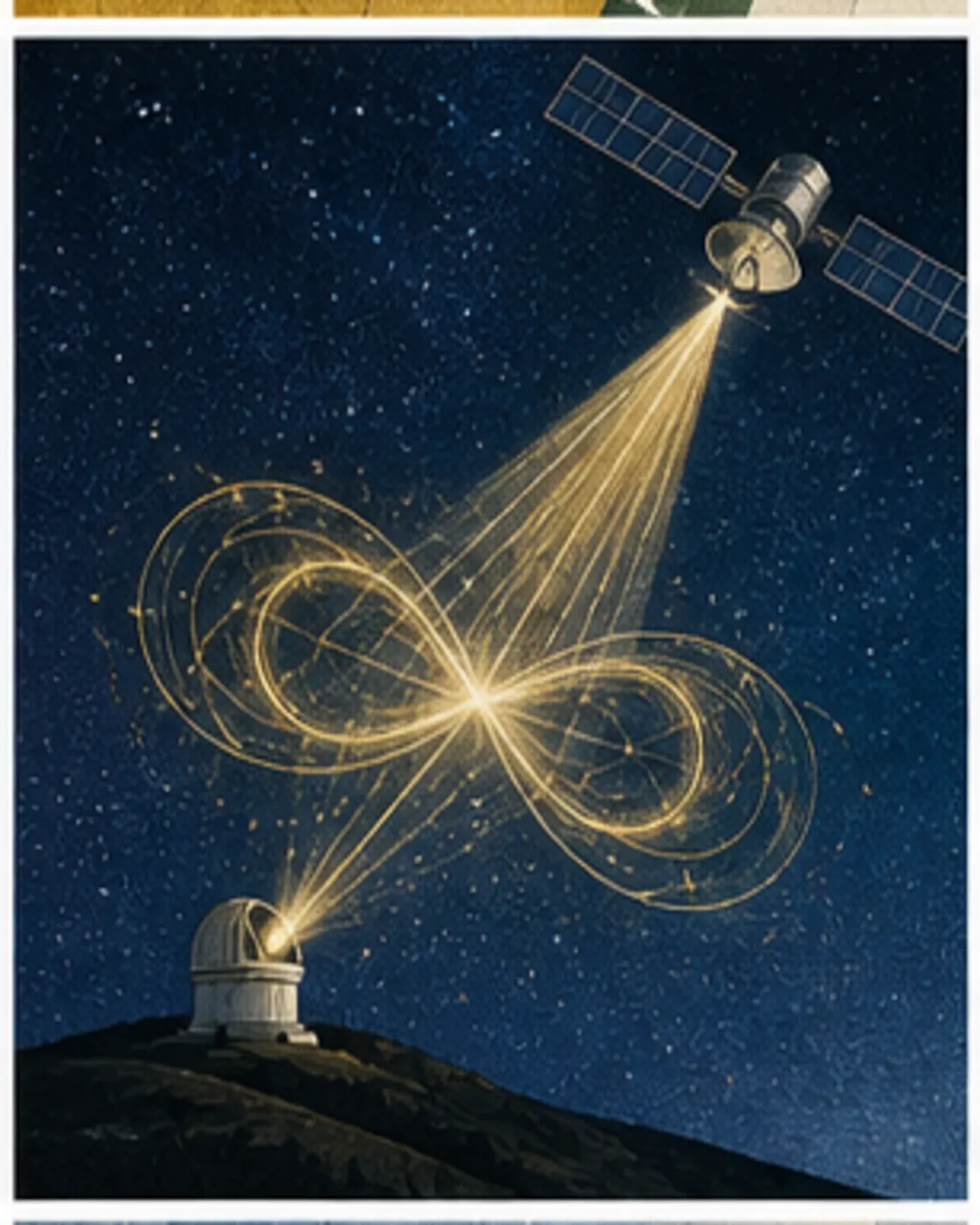
A CSIRO pilot brought citizens and quantum specialists together, revealing strong interest in both practical benefits and fair access.
A different kind of technology consultation
CSIRO's first public dialogue on quantum technologies brought together 39 citizens and 18 specialists. The point was not to run a national opinion poll. It was to let a small, diverse group question experts, hear trade-offs and explain why particular benefits and risks mattered to them. That distinction is important. The pilot offers qualitative evidence about informed public reasoning, not a percentage that can be projected onto every Australian.
The benefits people could see
Participants discussed possible uses in health care, secure communications, supply chains and advanced computing. Quantum technology is often explained through abstract physics, but the dialogue anchored it in systems people encounter. Citizens were interested in the practical public value and in whether Australia could build capability rather than merely purchase it. They also asked who would receive the benefits when technologies move from laboratories into services and commercial products.

Fair access was not an afterthought
CSIRO reported that participants wanted benefits shared across Australia, including regional and rural communities. That concern changes the policy question. Success is not only whether a quantum device works or attracts investment. It also includes workforce pathways, infrastructure, access and the distribution of gains. A technically impressive program can still underperform socially if the people funding or affected by it cannot see a credible route to benefit.
Trust needs visible governance
The National Quantum Strategy describes opportunity alongside responsible development, standards, security and international cooperation. The dialogue suggests the public wants involvement before choices become irreversible. That can mean plain explanations of uncertainty, mechanisms for community input and clarity about data, safety and accountability. Public dialogue does not replace scientific review or elected decision making, but it can expose assumptions that a purely technical process misses.
What the pilot cannot prove
The group was small and the method was designed for depth. It does not establish the national popularity of a specific quantum investment or regulation. The topics were framed through the pilot, and views can change as applications become real. The next useful evidence would compare dialogues across regions and communities, publish the method in detail and show how institutions respond. Consultation earns trust only when participants can trace what happened to their input.
Why this is frontier evidence
Australia's quantum debate is moving from promise to institutional design. The frontier is not only qubits, sensors or secure links. It is the public machinery that decides acceptable uses, shared benefits and safeguards while the technology is still developing. CSIRO's pilot is modest, but it shows a practical way to bring citizens into that design without pretending they must first become quantum physicists.
- CSIRO public dialogue on emerging technologies, Checked 14 August 2026 for What Australians asked of the quantum technology boom.
- Australian National Quantum Strategy, Checked 14 August 2026 for What Australians asked of the quantum technology boom.
Australia, Actually checked the linked records on 14 August 2026. Claims are limited to what those records establish. Google Trends figures, where used, are rounded attention signals rather than audience totals. Found a problem? See our correction process.