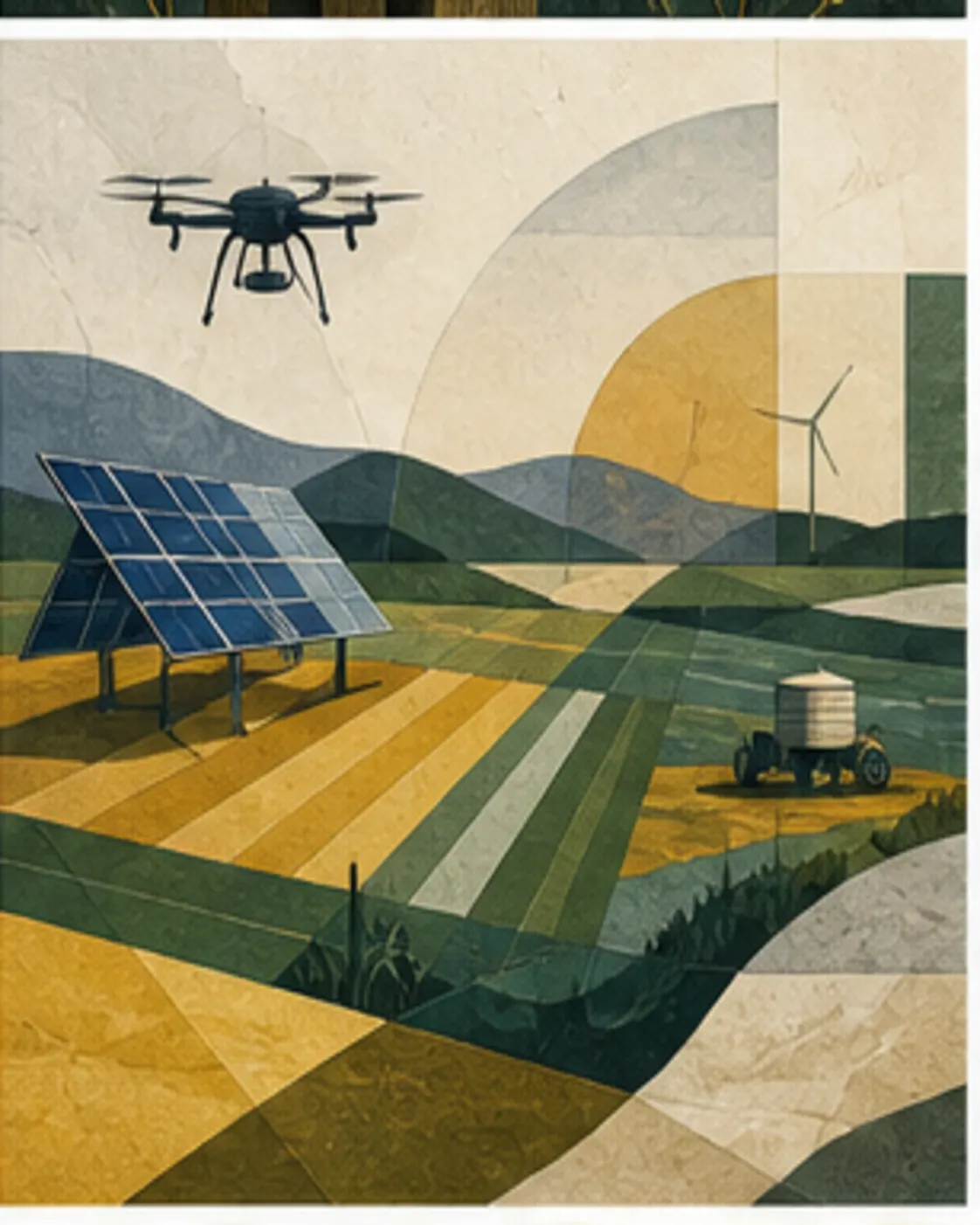
CSIRO and the Australian Farm Institute are using scenarios to examine near-term choices that could shape farming toward 2050.
A scenario is not a forecast
The Ag2050 program uses four evidence-based futures to test decisions about Australian agriculture. Scenarios are structured possibilities, not predictions that one named future will arrive. Their value is to expose assumptions. A policy or investment that works only when trade remains easy, climate shocks stay limited or technology diffuses quickly is less robust than it first appears. Comparing futures helps decision makers ask what remains sensible under several plausible conditions.
The near-term focus
CSIRO and the Australian Farm Institute moved from the original scenario work to a discussion paper on decisions, uncertainties and practical actions. The reported themes include sovereign capability, resilience, trusted sustainability reporting and innovation. Framing these as current choices avoids a common futures mistake: treating 2050 as a distant destination that requires no action now. Infrastructure, skills, data standards and research capacity take years to build.
Resilience has trade-offs
A more resilient farm system might diversify inputs, supply chains or production, maintain extra capacity and invest in preparedness. Those choices can cost money or reduce short-term efficiency. The scenarios help make that trade-off visible rather than assuming resilience is free. They can also show where coordination matters, because one producer cannot independently secure transport networks, biosecurity systems, reliable energy or national research capability.
Trust depends on measurement
Sustainability reporting can connect Australian producers with markets and finance, but only if measures are credible, comparable and practical. Weak definitions risk green claims that cannot be defended. Excessively complex systems can shift costs onto farmers without improving decisions. Scenario work can test which data infrastructure and assurance mechanisms remain useful under different market and regulatory conditions, while keeping the limits of each measure visible.
Innovation is more than invention
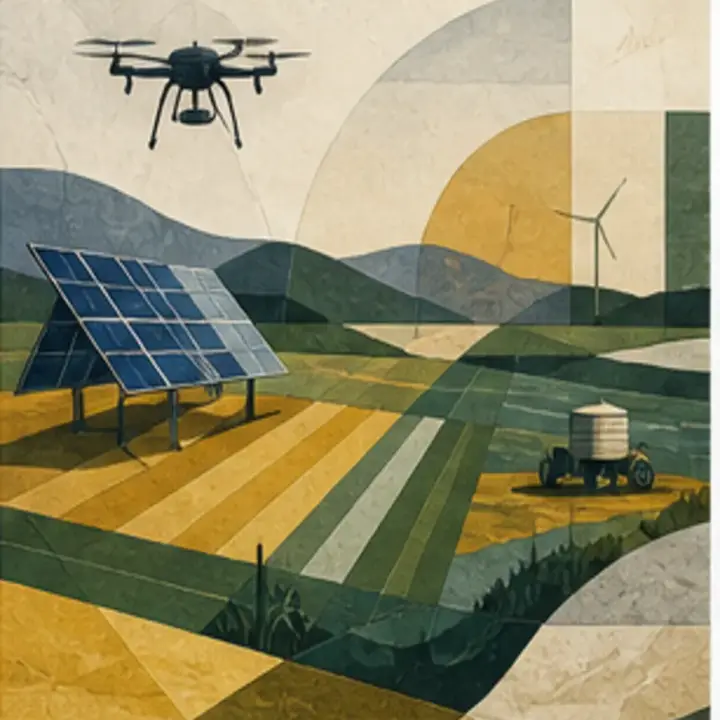
A promising technology changes agriculture only when producers can evaluate, adopt and maintain it. That requires extension, connectivity, skills, capital and evidence suited to diverse farms. The Ag2050 process involved government, industry, research, regional and Indigenous organisations, reflecting the number of institutions that shape adoption. Participation does not guarantee agreement, but it broadens the range of constraints a purely technical roadmap might overlook.
How to use the work
Readers should not treat the four scenarios as a scorecard telling Australia which future to choose. They are a stress test. The practical question is which near-term actions preserve options, reduce avoidable vulnerability and deliver value across more than one plausible future. The quality of the next phase will depend on transparent assumptions, measurable actions and regular revision as evidence changes.
- CSIRO Ag2050 scenarios to decisions, Checked 14 August 2026 for Four futures are testing today's Australian farm decisions.
- Australian Farm Institute, Checked 14 August 2026 for Four futures are testing today's Australian farm decisions.
Australia, Actually checked the linked records on 14 August 2026. Claims are limited to what those records establish. Google Trends figures, where used, are rounded attention signals rather than audience totals. Found a problem? See our correction process.